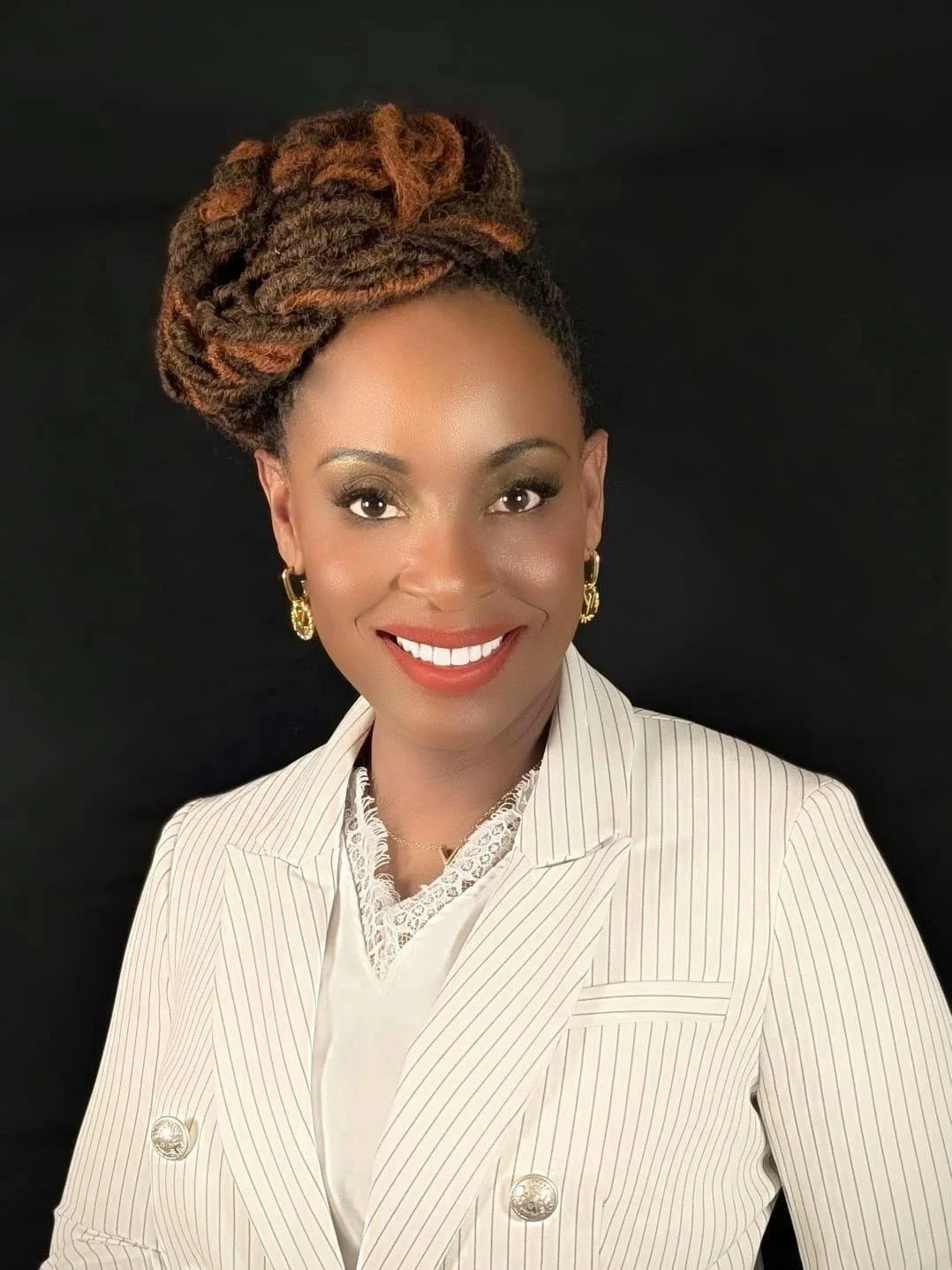
As a psychiatric nurse practitioner who has worked with children and adolescents for more than 20 years — first in pediatric neurology and now in child and adolescent psychiatric care — I’ve sat across from hundreds of parents who all said some version of the same thing: “I didn’t know how serious it was until it got really bad.”
That’s what drives me to write this post. Not to alarm you, but to equip you. Because the parents who catch mental health challenges early — before a crisis, before a school suspension, before a hospitalization — are almost always the ones who knew what to look for.
So let’s talk about it.
How Common Are Mental Health Disorders in Teenagers? More Than You Think.As a psychiatric nurse practitioner who has worked with children and adolescents for more than 20 years — first in pediatric neurology and now in child and adolescent psychiatric care — I’ve sat across from hundreds of parents who all said some version of the same thing: “I didn’t know how serious it was until it got really bad.”

If you’re a parent in Tampa, Wesley Chapel, Odessa, Lutz, or anywhere across Florida, this number may surprise you: the World Health Organization estimates that about one in seven (14.3%) adolescents aged 10–19 experiences a mental disorder (WHO, 2025). And in a landmark Harvard Medical School–led analysis of U.S. national survey data, half of all lifetime cases of DSM-IV disorders began by age 14 and three-quarters by age 24 (Kessler et al., 2005).
Half. By age 14.
That means the window for early intervention — the years when we can change the trajectory of a young person’s life — is right now, during childhood and adolescence.
The most common conditions I see in my telepsychiatry practice serving families across Florida include:
Anxiety disorders (about 4–5% of adolescents worldwide)
Depression (about 1% of 10–14-year-olds and 3% of 15–19-year-olds)
ADHD (about 2–3%)
Conduct disorders and emotional dysregulation
It’s also worth knowing that mental health challenges don’t look the same in every teenager. Girls tend to experience higher rates of anxiety, depression, and eating disorders. Boys more commonly present with ADHD and conduct-related symptoms. And persistent sadness and hopelessness remain very common among U.S. teenage girls: 53% of high school girls reported it in the CDC’s 2023 Youth Risk Behavior Survey, down from 57% in 2021 but still more than half (CDC, 2023 YRBS). Researchers continue to debate how much social media and pandemic-related disruption contribute.
If you’ve noticed changes in your teenager and you’re wondering whether something more is going on, you’re not being paranoid. You’re being a good parent.
Warning Signs of Teen Mental Health Problems Every Parent Should Know

One of the most important things I tell families during evaluations is this: normal teenage moodiness and a mental health disorder are not the same thing. Adolescence is developmentally turbulent. What we watch for are symptoms that are persistent, escalating, or interfering with your teen’s ability to function at school, at home, and with peers.
Here are the warning signs I want every Tampa Bay parent — and every Florida parent — to know:
Emotional Warning Signs
Persistent sadness, hopelessness, or irritability lasting more than two weeks
Loss of interest in activities, hobbies, or friendships they once enjoy
Excessive worry, fear, or panic that feels out of proportion to the situation
Extreme or unpredictable mood swings
Feelings of worthlessness, shame, or inappropriate guilt
Talking about being a burden to others, or expressing that life isn’t worth living
That last point deserves its own emphasis. Any mention of suicide — even offhand, even joking — should be taken seriously. Please don’t dismiss it as “just attention-seeking.” Reach out to a mental health professional immediately. If your teen is in immediate danger, call or text 988 (the Suicide & Crisis Lifeline) or call 911.
Behavioral Warning Signs
Withdrawing from family, friends, or activities
A sudden or gradual decline in academic performance
Significant changes in sleep (sleeping far too much or struggling with insomnia)
Changes in appetite or unexplained weight loss or gain
Increased risk-taking — reckless driving, unsafe sexual behavior, experimenting with substances
Evidence of self-harm (cutting, burning, scratching)
Persistent fatigue or low energy that doesn’t improve with rest
Frequent unexplained headaches or stomachaches (somatic complaints are common in anxious or depressed teens)
Difficulty concentrating, making decisions, or completing tasks
Complaints of feeling “numb,” disconnected, or like they’re watching life from outside themselves.
If three or more of these resonate as things you’ve observed in your teenager over the past few weeks or months, I want to gently encourage you: this is worth a professional conversation.
What You Can Do Right Now: Building Resilience at Home

Create a home where feelings are safe to name.
You don’t have to have the perfect thing to say. You just have to be willing to listen without immediately problem-solving or minimizing. “That sounds really hard. Tell me more” goes further than most parents realize.
Protect sleep like it’s medicine — because it is.
Teenagers aged 13–18 need 8–10 hours of sleep per night on a regular basis, according to the American Academy of Sleep Medicine consensus (Paruthi et al., 2016). Chronic sleep deprivation worsens mood, attention, and impulse control. A screen-free wind-down for 30–60 minutes before bed is a practical starting point, though it is a sensible habit rather than a proven cure.
Get them moving.
Physical activity interventions reduce depressive symptoms in children and adolescents. A meta-analysis of 21 trials found a small average effect, with greater benefit in teens older than 13 and in those with a depression diagnosis (Recchia et al., 2023). It doesn’t have to be a sport or a gym membership. A 20-minute walk, a dance class, a pickup basketball game — movement matters.
Limit social media, especially at night.
I say this as a clinician and as a mother: the evidence on social media and adolescent mental health is still developing and largely correlational, but it is concerning enough that the U.S. Surgeon General’s 2023 advisory concluded there is not enough evidence to call social media safe for young people. It cites links to poorer sleep and harmful content exposure, and a higher risk of poor mental health with heavy use, while also acknowledging real benefits such as connection and support (U.S. Surgeon General, 2023). Time-limited, purposeful use is very different from the hours of passive scrolling that most teens fall into.
Stay in their world.
Know their friends. Know what they’re watching and what they’re worried about. Ask questions without interrogating. Stay curious about them as people. Teenagers still need their parents, even when they act like they don’t.
When Is It Time to See a Child Psychiatrist or Adolescent Mental Health Provider?

This is the question I’m most often asked, and my answer is usually: sooner than you think.
You don’t have to wait until your teenager is in crisis to seek support. Early intervention is widely recommended, and because half of lifetime cases begin by age 14 (Kessler et al., 2005), it is usually better to ask sooner rather than later.
Consider scheduling an evaluation if your teenager:
Has been showing symptoms of depression or anxiety for more than two weeks
Has expressed any thoughts of self-harm or suicide
Is using substances (alcohol, marijuana, vaping, or anything else) to cope
Has symptoms that are affecting school performance, friendships, or family relationships
Has experienced a significant trauma, loss, or major life stressor
Has a family history of depression, anxiety, bipolar disorder, or ADHD
SHIELD Psychiatry is a concierge child and adolescent psychiatry practice in Lutz, FL serving patients ages 5–25 across Florida by telehealth, with in-person visits available. I personally conduct comprehensive psychiatric evaluations, provide evidence-based medication management, and work collaboratively with therapists, schools, and pediatricians to give your child coordinated, high-quality care — from the privacy and convenience of your own home.
For current insurance and self-pay information, call or text us at (813) 592-7228.
The SHIELD Psychiatry Approach to Teen Mental Health

When a family comes to us — whether from Cheval, Westchase, South Tampa, Winter Park, Naples, or anywhere across the state — here’s what they can expect:
A thorough, unhurried evaluation that looks at the whole child, not just the chief complaint. I draw on my background in pediatric neurology, my training as a Psychiatric-Mental Health Nurse Practitioner and Pediatric Primary Care Nurse Practitioner, and more than two decades of experience with children and adolescents.
We use evidence-based approaches, including psychopharmacology when indicated, and we collaborate closely with therapists for combined treatment when appropriate. We offer QbCheck ADHD testing, Parent Coaching sessions, CBT-I for adolescent sleep disorders, and transition-of-care visits for young adults moving into adult mental health services. You can read more about our anxiety and mood disorder care and autism support.
Most importantly, we treat your teenager as a person — not a diagnosis, not a prescription, not a checkbox. We believe every young person deserves to be seen, heard, and supported.
A Word From My Heart

I became a psychiatric nurse practitioner because I believe that healing is possible — and I’ve seen it happen, again and again, in young people who were once struggling and are now thriving.
But I also know that none of us walks this road alone. Whether you’re a parent carrying quiet fear about your teenager, or a teenager yourself reading this and wondering if what you’re feeling is normal — I want you to know: there is hope, and there is help.
Scripture says in Isaiah 41:10, “Fear not, for I am with you; be not dismayed, for I am your God. I will strengthen you, yes, I will help you.” That promise doesn’t expire at the threshold of a mental health struggle. It goes in with you.
If you’re ready to take the next step, we’re here.
Schedule a New Patient Evaluation
Visit shieldpsychiatry.org or book directly at intakeq.com/new/rtc1xz
Phone: (813) 592-7228
Serving patients ages 5–25 via telehealth across Florida.
Monday–Saturday, 8:00 AM–8:00 PM
SHIELD Psychiatry PLLC — Protecting Young Minds. Empowering Futures.™
Related Reading and Resources
Depression in Autistic Teenagers: What It Really Looks Like and Why It Is So Often Missed
Why I Rarely Write Letters Excusing Children from PE — and What I Recommend Instead
Anxiety and mood disorder care for kids and teens in Florida
References
Centers for Disease Control and Prevention. (n.d.). 2023 Youth Risk Behavior Survey results. https://www.cdc.gov/yrbs/results/2023-yrbs-results.html
Kessler, R. C., Berglund, P., Demler, O., Jin, R., Merikangas, K. R., & Walters, E. E. (2005). Lifetime prevalence and age-of-onset distributions of DSM-IV disorders in the National Comorbidity Survey Replication. Archives of General Psychiatry, 62(6), 593–602. https://doi.org/10.1001/archpsyc.62.6.593
Paruthi, S., Brooks, L. J., D’Ambrosio, C., et al. (2016). Recommended amount of sleep for pediatric populations: A consensus statement of the American Academy of Sleep Medicine. Journal of Clinical Sleep Medicine, 12(6), 785–786. https://doi.org/10.5664/jcsm.5866
Recchia, F., Bernal, J. D. K., Fong, D. Y., et al. (2023). Physical activity interventions to alleviate depressive symptoms in children and adolescents: A systematic review and meta-analysis. JAMA Pediatrics, 177(2), 132–140. https://doi.org/10.1001/jamapediatrics.2022.5090
U.S. Surgeon General. (2023). Social media and youth mental health: The U.S. Surgeon General’s advisory. U.S. Department of Health and Human Services. https://www.hhs.gov/sites/default/files/sg-youth-mental-health-social-media-advisory.pdf
World Health Organization. (2025, September 1). Mental health of adolescents [Fact sheet]. https://www.who.int/news-room/fact-sheets/detail/mental-health-of-adolescents
This article is for educational purposes and is not a substitute for an individualized evaluation or medical advice.